
Retail Store Negligence 101: A Guide for Business Owners

A customer slips in your store. An employee completes an incident report. A few weeks later, a demand letter arrives. That's when retail store negligence becomes more than a legal term. It becomes a business problem.
Retailers face premises liability claims every day, but an accident alone doesn't create liability. In Indiana and Ohio, plaintiffs must prove that a business failed to act reasonably under the circumstances.
That's why the strongest defense starts long before a lawsuit. Inspections, employee training, maintenance records, and video surveillance often determine whether a claim settles, survives, or gets dismissed. This guide explains what business owners need to know about retail store negligence and how to protect their business when claims arise.
What Is Retail Store Negligence?
Retail store negligence occurs when a business fails to use reasonable care to keep its premises safe, and that failure causes someone to get hurt. The key phrase is reasonable care.
Retail stores owe customers a duty to maintain reasonably safe conditions. That includes monitoring for hazards, addressing dangerous conditions, and responding appropriately when issues arise. The law doesn't require perfection, but it does require businesses to act reasonably under the circumstances.
That's an important distinction because stores aren’t insurers of customer safety.
Customers get hurt for many reasons. They trip over their own feet. They ignore obvious hazards. They make mistakes. The mere fact that an injury occurs on retail property doesn't mean the business is liable.
Instead, courts in Indiana and Ohio focus on whether the retailer acted reasonably. Did employees inspect the area? Was the hazard known or discoverable? Did the business have an opportunity to address it?
Those questions sit at the center of most retail store negligence claims. When a plaintiff can't prove that the business failed to exercise reasonable care, the claim often fails, regardless of the severity of the injury.
How Retail Store Negligence Claims Happen

Retail negligence claims arise from everyday conditions. Most don't involve dramatic events. They involve ordinary hazards that weren't identified, addressed, or documented before someone got hurt.
SLIP-AND-FALL CLAIMS
Slip-and-fall cases remain one of the most common sources of retail liability. Spills, wet floors, tracked-in rainwater, and uneven flooring frequently appear in litigation. The key issue usually isn't whether the condition existed. It's whether the business knew about it or should have known about it. That's why inspections, employee training, and documentation play such a significant role in these claims.
PARKING LOT AND SIDEWALK CLAIMS
The retailer's responsibility doesn't stop at the front door. Customers use parking lots, sidewalks, and entryways as part of their shopping experience. Potholes, cracked pavement, poor lighting, drainage issues, snow, and ice frequently become the subject of premises liability claims. These cases often focus on notice and maintenance. Courts want to know whether the condition existed long enough that the business had a reasonable opportunity to address it.
MERCHANDISE AND DISPLAY HAZARDS
Retail environments contain thousands of products, fixtures, and displays. Falling merchandise, unstable shelving, overloaded displays, and cluttered aisles create risks for customers. When products fall, or displays collapse, plaintiffs frequently argue that the condition resulted from poor inspection, improper stocking, or inadequate maintenance. These cases often turn on store policies, employee practices, and whether the condition was foreseeable.
NEGLIGENT SECURITY CLAIMS
Not every retail negligence claim involves a physical hazard. Businesses sometimes face claims arising from criminal acts committed by third parties on the property. These cases typically involve allegations that inadequate lighting, poor surveillance, or insufficient security measures contributed to the incident. Unlike slip-and-fall claims, negligent security cases usually focus on foreseeability. Courts examine whether the business knew or should have known that criminal activity was likely to occur and whether reasonable precautions were taken in response.
The Role of Notice in Retail Store Negligence Cases
Notice sits at the center of most retail store negligence claims. In many cases, the plaintiff must prove that the business either knew about the hazard or should have known about it. Without notice, liability becomes difficult to establish.
There are two types of notice: actual notice and constructive notice. Actual notice exists when a business knows about a hazard. Constructive notice exists when a hazard remains present long enough that the business should have discovered it through reasonable inspections. This distinction often determines whether a claim succeeds or fails.
EXAMPLE OF ACTUAL NOTICE
An employee sees a customer spill a drink in an aisle. The employee recognizes the hazard but walks away without cleaning it or warning customers. Ten minutes later, another customer slips and falls. In that situation, the business may have actual notice because an employee observed the condition before the incident occurred.
EXAMPLE OF CONSTRUCTIVE NOTICE
A customer spills a soda on the floor. No employee sees it happen. Over time, the liquid becomes sticky, footprints appear through it, and dirt accumulates around the edges. A customer eventually slips and falls. The plaintiff may argue that the condition existed long enough that store employees should have discovered it during a reasonable inspection. That argument forms the basis of constructive notice.
How Indiana Courts Handle Retail Store Negligence
Indiana requires retailers to exercise reasonable care, but it does not make them insurers of customer safety. Plaintiffs must prove that the business created the hazard, knew about it, or should have discovered it through reasonable inspections.
Unlike Ohio, an open and obvious condition is not a complete defense in Indiana. Courts consider it as one factor when evaluating whether the retailer acted reasonably.
Indiana courts also continue to grant summary judgment when plaintiffs cannot produce evidence of notice, breach, or causation. Speculation is not enough.
KEY INDIANA CASES
SCHULZ V. KROGER CO., 963 N.E.2d 1141 (Ind. Ct. App. 2012)
The court upheld summary judgment for Kroger after evidence showed the area had been inspected approximately ten minutes before the fall. The decision demonstrates how routine inspections and documentation can defeat constructive notice claims.
GOLBA V. KOHL'S DEPARTMENT STORES, INC., 585 N.E.2d 14 (Ind. Ct. App. 1992)
The court emphasized that plaintiffs must present evidence showing a hazard existed long enough that the retailer should have discovered it. Mere speculation about how long a condition existed is not enough.
CONVERSE V. ELKHART GENERAL HOSPITAL INC., 120 N.E.3d 621 (Ind. Ct. App. 2019)
The court reversed summary judgment because factual disputes remained regarding the defendant's knowledge of the hazard. The case serves as a reminder that summary judgment depends on evidence, not assumptions.
Together, these cases show how Indiana courts approach retail store negligence. The focus remains on notice, reasonable care, and proof. When a plaintiff lacks evidence on those issues, Indiana courts routinely dismiss claims before trial.
How Ohio Courts Handle Retail Store Negligence
Ohio law generally favors retailers in premises liability cases. Two doctrines drive many of these outcomes: the open and obvious doctrine and the no-duty winter rule.
Under the open and obvious doctrine, businesses generally have no duty to warn customers about hazards that are readily observable. Ohio courts assume that a reasonable person will recognize and avoid these conditions.
Ohio's no-duty winter rule provides similar protection. Property owners generally have no duty to remove or warn about natural accumulations of snow and ice because winter weather is considered an ordinary risk of living in Ohio.
These protections are not absolute. Businesses may still face liability for unnatural accumulations of snow and ice or conditions that create risks beyond what customers should reasonably expect.
KEY OHIO CASES
PASCHAL V. RITE AID PHARMACY, INC. 18 Ohio St. 3d 203 (1985)
The Ohio Supreme Court reaffirmed that retailers are not insurers of customer safety. The fact that an accident occurs on business property does not automatically create liability.
SMITH V. WAL-MART STORES, INC. 2019-Ohio-2425
The court applied Ohio's open and obvious doctrine, reinforcing that businesses generally owe no duty to warn customers about hazards that are visible and reasonably discoverable.
RIEGER V. GIANT EAGLE, INC. 157 Ohio St.3d 512, 2019-Ohio-3745
The Ohio Supreme Court emphasized the importance of the duty analysis in premises liability cases. Without a legal duty, a negligence claim cannot succeed regardless of the severity of the injury.
Together, these cases demonstrate why Ohio is often viewed as a retailer-friendly jurisdiction. Courts continue to focus on duty, notice, and reasonable expectations rather than imposing liability for every customer injury.
How Businesses Can Reduce Retail Store Negligence Claims
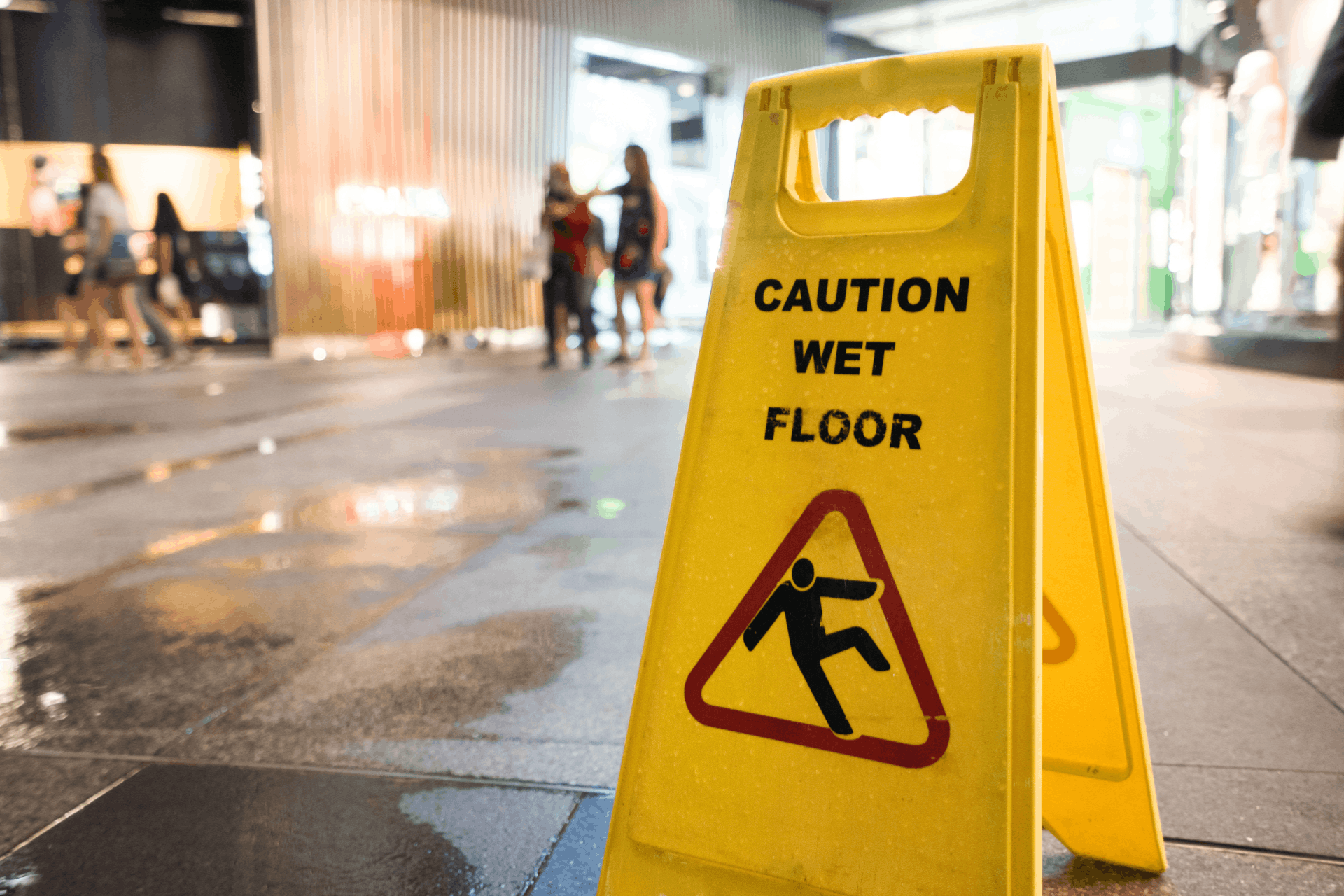
The best way to defend a retail negligence claim is to prevent it from happening in the first place. While no business can eliminate every risk, retailers can significantly reduce their exposure by implementing consistent safety practices.
#1: CONDUCT ROUTINE INSPECTIONS
Regular inspections help identify hazards before they cause injuries. Walkthroughs should cover sales floors, entrances, restrooms, sidewalks, and parking lots.
#2: TRAIN EMPLOYEES TO IDENTIFY HAZARDS
Employees are often the first line of defense. Hazard recognition training helps staff identify unsafe conditions and respond appropriately when issues arise.
#3: DOCUMENT EVERYTHING
Inspection logs, incident reports, maintenance records, and employee statements create a record of the business's efforts to maintain a safe environment.
#4: PRESERVE VIDEO SURVEILLANCE
Video footage often becomes critical evidence in a negligence claim. Businesses should have procedures in place to preserve relevant footage immediately after an incident.
#5: RESPOND TO INCIDENTS IMMEDIATELY
When an accident occurs, secure the area, document the condition, gather information, and preserve evidence. Early action often shapes the outcome of the claim.
#6: IMPLEMENT WEATHER RESPONSE PROTOCOLS
Rain, snow, and ice create recurring risks. Consistent procedures for inspections, cleanup, snow removal, and warning signs can help reduce exposure during changing weather conditions.
#7: WORK WITH EXPERIENCED LITIGATION COUNSEL
Many negligence cases are won or lost long before trial. Experienced litigation counsel can help businesses evaluate risk, preserve evidence, respond strategically to claims, and implement practices that strengthen future defenses.
What Business Owners Should Do After an Incident
The moments immediately following an incident often determine how a claim develops. Businesses that respond quickly and preserve evidence put themselves in a much stronger position if litigation follows.
SECURE THE AREA
Address the condition that allegedly caused the incident. Prevent additional injuries and preserve the scene as much as possible.
GATHER WITNESS STATEMENTS
Identify employees and customers who witnessed the incident. Statements collected close in time to the event are often more reliable than recollections obtained months later.
PRESERVE SURVEILLANCE FOOTAGE
Immediately save any relevant video footage. Waiting too long can result in recordings being overwritten, creating unnecessary legal issues later.
TAKE PHOTOGRAPHS
Photograph the incident area from multiple angles. Capture both close-up images of the alleged hazard and wider shots that show the surrounding conditions.
COMPLETE AN INCIDENT REPORT
Document what happened, who was involved, and what employees observed. A thorough incident report often becomes one of the most important documents in the claim.
AVOID ADMISSIONS OF FAULT
Employees should remain professional and helpful, but they should avoid making statements about blame or responsibility before the facts are known.
NOTIFY COUNSEL EARLY
Early legal involvement helps preserve evidence, evaluate exposure, and avoid mistakes that can complicate the defense later.
The Bottom Line for Retail Businesses
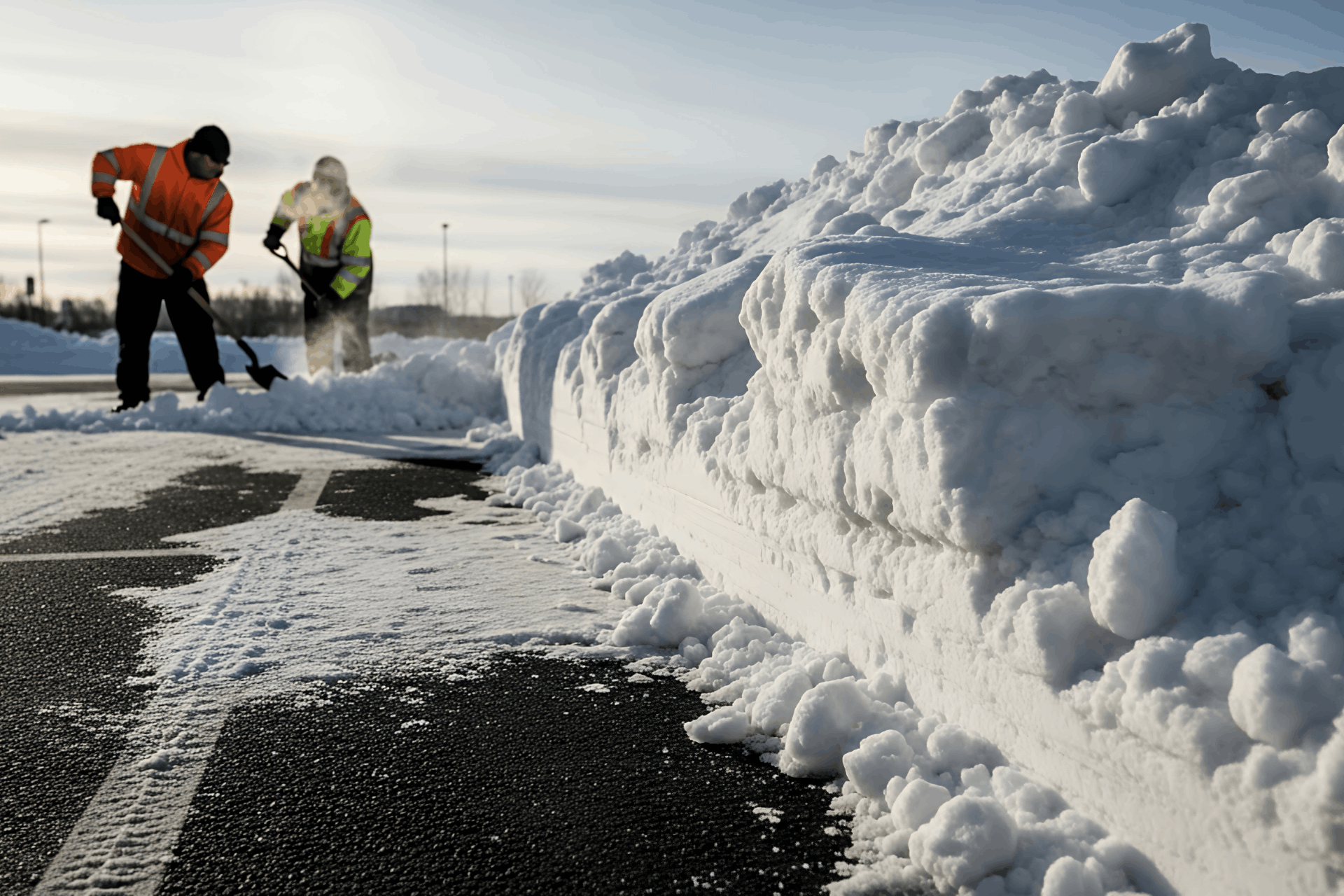
Retail store negligence claims are often preventable. Courts don't expect perfection. They expect reasonable care. Businesses that conduct inspections, train employees, document their efforts, and respond appropriately to incidents are generally in a stronger position when claims arise.
The common thread throughout nearly every retail negligence case is documentation. Inspection records, employee statements, surveillance footage, photographs, and incident reports often determine whether a claim succeeds or fails.
The takeaway is simple: the best defense starts long before a lawsuit is filed. Strong safety practices, consistent documentation, and early legal strategy help reduce risk and put your business in the best possible position if a claim occurs.
Retail store negligence claims often turn on documentation, notice, and how your business responds after an incident. Working with experienced litigation counsel helps retailers evaluate exposure, preserve evidence, and build defensible practices before claims escalate.