
AI Video Surveillance for Retail & Potential Liability Risks
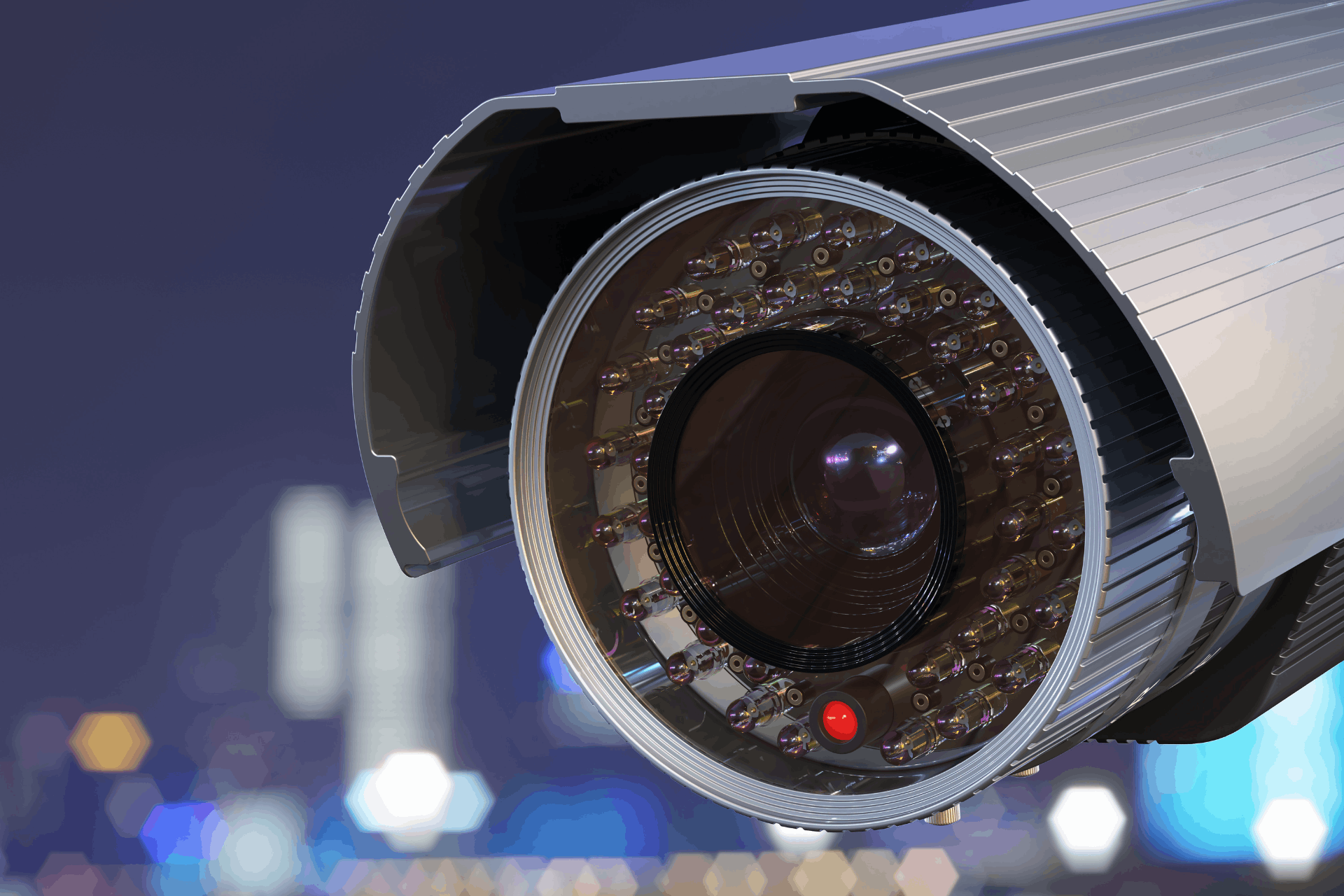
A customer slips on a spill in your store. An employee never saw it. But your AI video surveillance system did.
Minutes before the fall, the system generated an alert identifying a potential hazard and routed a notification to a store employee. No one responded. Now the customer is injured, a claim has been filed, and the alert log may become one of the most important pieces of evidence in the case.
This isn't science fiction. Major retailers have already begun deploying AI-powered video surveillance systems capable of identifying spills, debris, blocked walkways, and other hazards in real time. For retailers, these systems create significant opportunities.
AI can help identify hazards faster, improve response times, and generate valuable documentation during incidents. But the technology also raises new legal questions. If an AI system detects a hazard, does that create notice? What happens if an employee ignores the alert? What if the system fails to identify the danger at all?
Courts are only beginning to confront these issues. As AI surveillance becomes more common in retail environments, business owners need to understand not only what the technology can do, but also how it may affect liability when an accident leads to a lawsuit.
What Is AI Video Surveillance?
AI video surveillance uses artificial intelligence to analyze video footage as it's being recorded. Unlike traditional security cameras that simply capture and store footage for later review, AI-enhanced systems actively monitor live video feeds and identify specific events, conditions, or behaviors in real time.
For retailers, that means video surveillance is no longer just a tool for investigating incidents after they happen. It can also help identify risks before someone gets hurt.
HOW AI VIDEO SURVEILLANCE WORKS
Traditional CCTV systems record video and rely on employees or security personnel to review footage when an incident occurs. AI-enhanced systems add another layer of analysis.
Using computer vision and machine learning, these systems continuously scan live video feeds for predefined conditions. When the system detects something that matches its programming, it can generate an alert, create an event log, or notify employees to take action.
Depending on the platform, AI may be used to identify hazards, suspicious activity, operational issues, or customer behavior patterns. Some systems can even prioritize alerts based on perceived risk.
COMMON AI FEATURES IN RETAIL
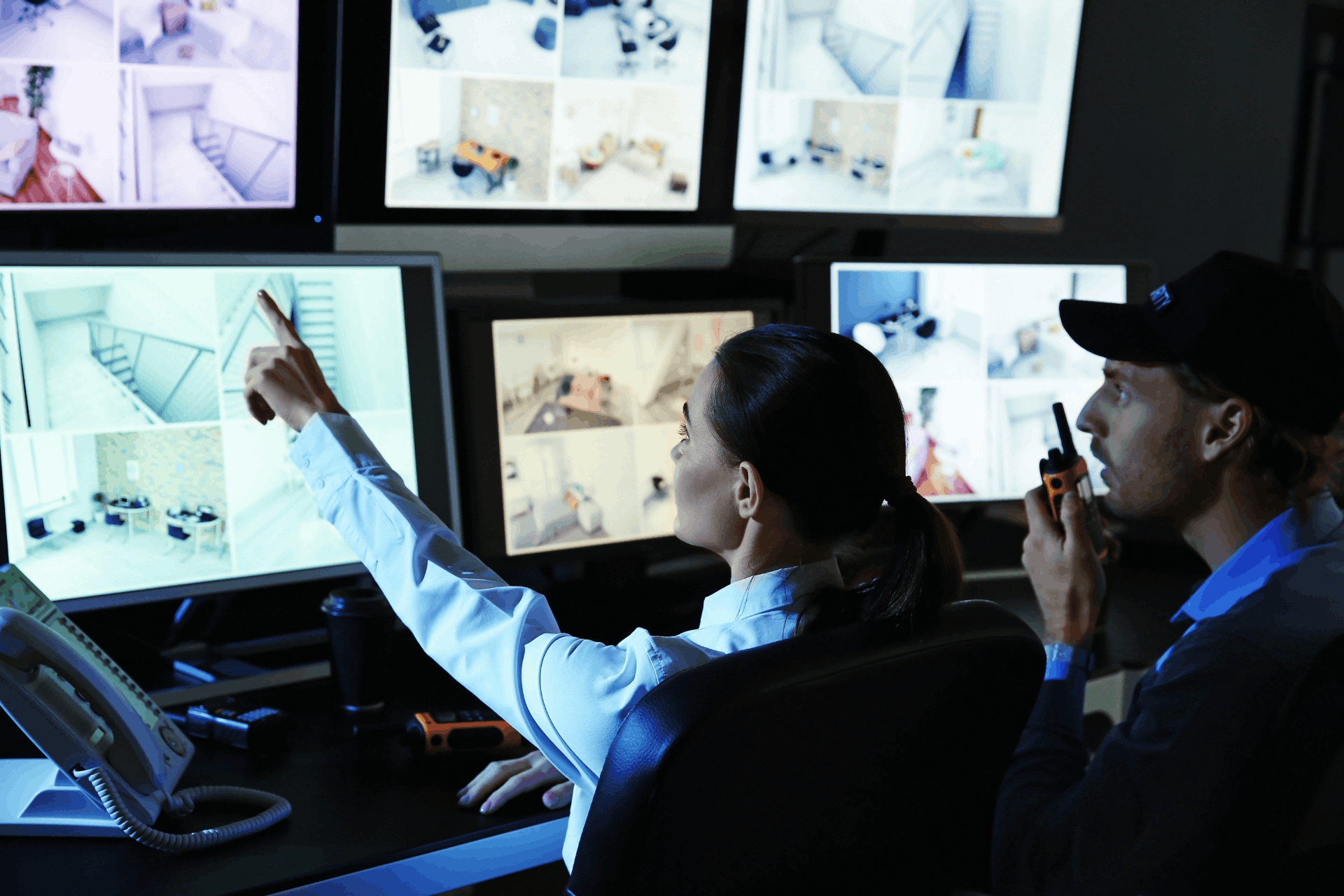
AI surveillance capabilities continue to expand, but several features have become particularly popular in retail environments.
Spill detection systems identify liquids or other hazards on floors that could lead to slip-and-fall incidents.
Object and debris detection helps identify obstacles in walkways, fallen merchandise, abandoned carts, or other conditions that may create safety concerns.
Crowd monitoring allows retailers to track traffic patterns, congestion points, and unusually crowded areas throughout the store.
Loitering alerts can notify employees when individuals remain in a location for an extended period of time, potentially helping with loss prevention and security concerns.
Slip-and-fall risk identification combines multiple data points to identify conditions that may increase the likelihood of an accident before one occurs.
Some retailers also use facial recognition and access control technologies to manage restricted areas or enhance security protocols, although these systems often raise separate privacy and regulatory considerations.
Finally, predictive analytics uses historical data and patterns to identify emerging risks, helping businesses allocate resources and respond proactively to potential issues.
While these technologies offer significant operational benefits, they also create new questions about notice, documentation, and liability when an incident ultimately occurs.
Why Retailers Are Investing in AI Video Surveillance
Retailers have always used surveillance systems to investigate incidents after they occur. AI changes that equation by helping businesses identify and respond to risks in real time. For many retailers, the appeal isn't just security. It's efficiency, safety, and risk management.
RESOURCE-EFFICIENT MONITORING
Even the most attentive employee can't watch dozens of camera feeds simultaneously (and traditionally, this does not occur in a retail setting). AI surveillance systems can monitor multiple locations at once, scanning for hazards, suspicious activity, and operational issues without requiring constant human attention. Rather than relying on employees to spot problems on a screen or in person, the system identifies potential issues and brings them to the employee's attention.
REDUCING HUMAN ERROR
People get distracted. Employees take breaks. Hazards can appear and disappear in seconds. AI systems don't suffer from fatigue or divided attention. They continuously analyze video feeds and apply the same detection criteria throughout the day. While the technology isn't perfect, it can help reduce the likelihood that a hazard goes unnoticed for an extended period of time.
FASTER INCIDENT RESPONSE
One of the biggest advantages of AI surveillance is speed. When the system identifies a potential spill, obstruction, or safety concern, it can immediately generate an alert and notify employees. Faster notification often means faster cleanup, faster intervention, and fewer opportunities for an accident to occur.
IMPROVED DOCUMENTATION
In addition to video footage, many platforms generate time-stamped alerts, event logs, and activity reports showing when a hazard was detected and when notifications were sent. Those records may help businesses demonstrate that they actively monitored conditions and responded appropriately.
Of course, the same documentation that helps defend a claim may also become evidence in a lawsuit. As AI surveillance becomes more common, retailers must think not only about what the technology detects, but also about how the resulting data may be used if an incident occurs.
Common Mistakes Businesses Make with AI Surveillance
AI surveillance can be a powerful risk management tool, but only if businesses use it correctly. Many of the biggest liability risks don't come from the technology itself. They come from how retailers implement, manage, and respond to it.
TREATING AI AS A SUBSTITUTE FOR EMPLOYEES
AI should support employees, not replace them. Some businesses assume that once an AI system is installed, it can take over hazard monitoring and safety responsibilities. That's a mistake. Courts evaluate whether a business acted reasonably under the circumstances, not whether it purchased sophisticated technology.
Employees still need to inspect the premises, respond to hazards, and exercise judgment. AI can identify risks, but people remain responsible for addressing them.
FAILING TO DOCUMENT RESPONSE PROCEDURES
An AI alert is only useful if someone knows what to do with it. Businesses should have clear procedures explaining who receives alerts, how quickly employees should respond, and how those responses are documented. Without a process, retailers may struggle to prove that they acted reasonably when a hazard was identified.
The question in litigation often isn't whether the system detected a problem. It's whether the business responded appropriately after the alert was generated.
NOT PRESERVING ALERT DATA
One of the most overlooked risks involves data preservation. Many AI platforms generate time-stamped alerts, event logs, audit trails, and other records. If an incident occurs, those records may become relevant evidence.
Deleting them—or allowing them to be automatically overwritten—can create unnecessary complications during litigation. Just as businesses preserve surveillance footage after an incident, they should also consider whether AI-generated records need to be preserved as well.
ASSUMING TECHNOLOGY ELIMINATES LIABILITY
No technology eliminates liability. An AI system may reduce risk, improve response times, and strengthen documentation, but it doesn't guarantee that accidents won't happen. Plaintiffs can still argue that employees failed to respond, that procedures were inadequate, or that the business otherwise acted unreasonably. Technology is a tool. It is not a legal defense by itself.
DEPLOYING AI WITHOUT A WRITTEN POLICY
Many retailers invest significant resources into AI surveillance but never create a written policy governing its use. A strong policy should address how alerts are handled, who is responsible for responding, how records are retained, and what steps employees should take when hazards are identified. Written policies create consistency, improve training, and help demonstrate a proactive approach to risk management if litigation occurs.
How Retailers Should Manage AI Surveillance Risk
AI surveillance can reduce risk, but only if businesses have systems in place to act on the information the technology provides. The goal isn't simply to install AI. It's to build procedures that help employees respond consistently and create documentation that can withstand scrutiny if a claim arises.
DEVELOP RESPONSE PROTOCOLS
Every AI alert should trigger a defined response. Businesses should establish procedures identifying who receives alerts, how quickly employees are expected to respond, and what steps should be taken once a potential hazard is identified. Clear protocols reduce confusion and help ensure that hazards don't go unaddressed.
TRAIN EMPLOYEES ON AI ALERTS
Technology is only as effective as the people using it. Employees should understand what different alerts mean, how to investigate them, and how to document their response. Training should emphasize that AI is a tool that assists safety efforts, not a substitute for employee judgment and routine inspections.
PRESERVE RELEVANT DATA
As AI surveillance systems generate more information, businesses should think carefully about data retention. Video footage, alert logs, event histories, and audit trails may become important evidence after an incident. If a claim is anticipated, retailers should evaluate whether AI-generated records need to be preserved alongside traditional surveillance footage and incident reports.
REVIEW VENDOR CONTRACTS
Many retailers focus on what the technology can do without reviewing what their vendor agreements require. Businesses should understand how long data is retained, who controls access to records, what happens when information is deleted, and whether the vendor provides support for litigation holds or evidence preservation requests.
WORK WITH LEGAL COUNSEL BEFORE A CLAIM OCCURS
The best time to evaluate AI surveillance risks is before an incident happens. Experienced counsel can help retailers review policies, retention practices, response procedures, and vendor agreements before they become issues in litigation. As courts continue to confront questions surrounding AI-generated evidence, proactive planning may become just as important as the technology itself.
The Future of AI and Retail Liability
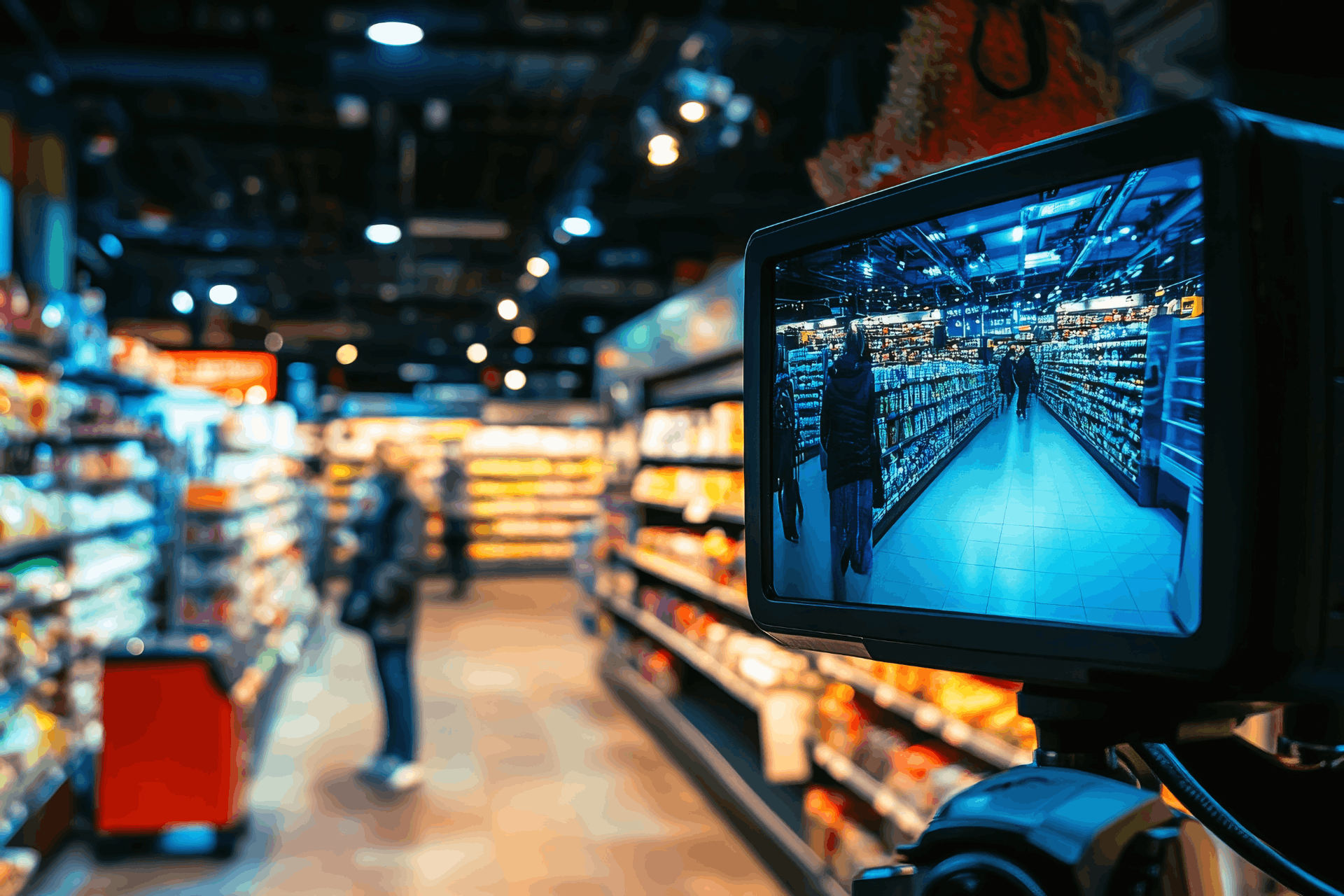
Courts are only beginning to confront the legal issues created by AI surveillance. While there are currently no reported decisions addressing whether an AI-generated hazard alert creates notice in a premises liability case, that question will likely become more common as retailers continue adopting these technologies.
The trend is already underway. Walmart's Intelligent Retail Lab used AI-powered cameras to monitor store conditions and identify issues such as spills, inventory problems, and operational concerns in real time. The goal wasn't simply to record incidents after they occurred. It was to identify risks before they became problems.
As more retailers deploy similar systems, plaintiffs and defense attorneys will inevitably begin asking new questions. If an AI system detects a spill, does that create notice? If an alert is generated but no employee responds, how will a jury view that evidence? If a system fails to identify a hazard, does that matter at all?
The answers remain uncertain, but undoubtedly, courts across the nation will begin addressing these issues. What is clear is that technology will increasingly influence notice, negligence, and evidence preservation arguments. Courts may not expect businesses to be perfect, but they will continue to evaluate whether businesses acted reasonably under the circumstances.
For that reason, documentation and response procedures will likely matter far more than the technology itself. The retailers best positioned to defend future claims won't necessarily be the ones with the most sophisticated AI systems. They'll be the ones who can demonstrate a consistent process for receiving alerts, responding to hazards, and preserving records when incidents occur.
The Bottom Line for Retailers
The takeaway is practical. AI surveillance should not replace employees, inspections, or sound safety practices. Instead, it should be incorporated into a broader risk management strategy that includes training, response procedures, and documentation. As courts begin confronting these issues, the businesses best positioned to defend claims will be the ones that treat AI surveillance as both a safety tool and a legal risk-management tool.
AI Video Surveillance: Frequently Asked Questions
CAN AI ALERTS BE USED AS EVIDENCE IN A LAWSUIT?
Possibly.. AI-generated alerts, event logs, and audit trails may become relevant evidence if they relate to an incident. Just like surveillance footage or maintenance records, these materials could be used to evaluate what the business knew and how it responded. Any good defense attorney, though, will argue that these materials are less definitive than they appear. An AI alert is only as reliable as the system generating it, and false positives are common. An alert that a hazard "may" exist is not proof that one did, or that staff had a reasonable chance to respond before the incident. While AI alerts may be discoverable, their evidentiary weight is very much open to challenge.
WHAT HAPPENS IF AN AI SYSTEM MISSES A HAZARD?
A missed alert does not automatically establish negligence. Courts generally focus on whether the business exercised reasonable care, not whether technology performed perfectly. AI is a tool that supports safety efforts, not a guarantee that every hazard will be identified.
DOES AI CREATE NOTICE OF A HAZARD?
The law is still developing in this area. Courts have not yet fully addressed whether an AI-generated alert creates legal notice in the same way an employee's observation might. As AI surveillance becomes more common, this issue will likely receive increased attention from courts and litigants.
As businesses adopt these technologies, it's important to understand not only what the system can do, but also how courts may view the data it generates. Working with experienced litigation and risk management counsel can help you implement defensible practices and avoid surprises when an incident leads to a claim.