
Hazard Recognition Training for Employees to Avoid Missteps
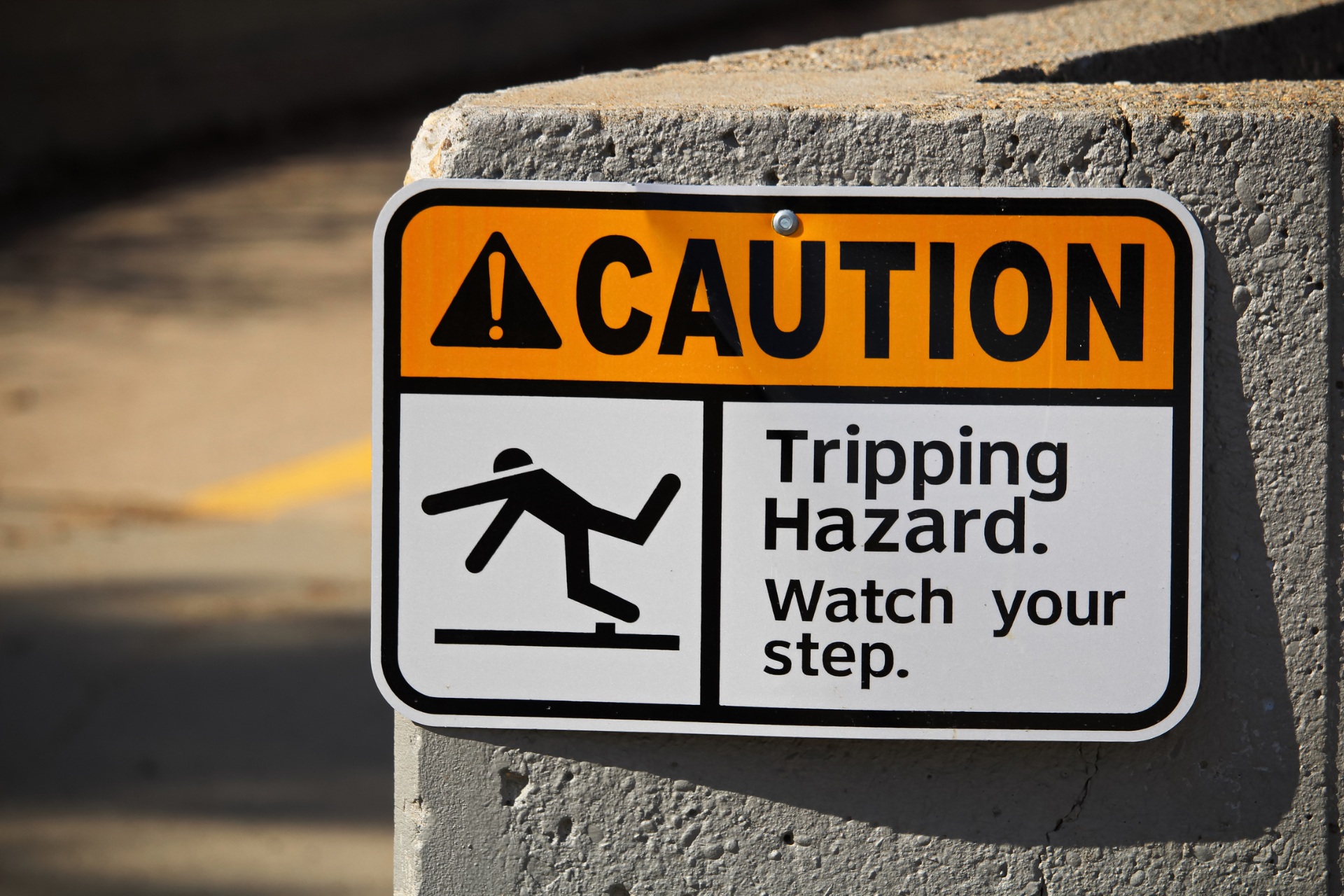
An employee walks past a small spill near your entrance. It doesn’t look like much. No cone. No cleanup. Twenty minutes later, a customer slips.
Now you’re dealing with more than a fall. You’re dealing with a claim, a report, and questions about what your team saw and why nothing was done. This is why hazard recognition training matters.
Missed hazards turn into liability claims. Not because the condition was severe, but because it was preventable. Courts expect reasonable care, and that starts with training employees to recognize risks before someone gets hurt.
Hazard recognition training is legal protection for your business and employees. It shows your business took proactive steps to identify hazards, respond to them, and reduce risk before an incident occurred.
What Is Hazard Recognition Training?
Hazard recognition training teaches your employees how to identify unsafe conditions before they cause harm. It equips your team to not just see a problem, but know what to do about it.
This type of training fits directly into your broader workplace safety program. It supports inspections, maintenance routines, and incident-prevention efforts related to premises liability. Employees become your first line of defense instead of your biggest risk.
The reality is that most hazards aren’t obvious. A wet floor, uneven pavement, or poor lighting can go unnoticed during a busy shift. Without training, employees walk past risks every day without realizing it. Hazard recognition training gives your team a clear framework on what to look for and how to respond.
How Hazard Recognition Training Protects Your Business
Hazard recognition training directly impacts how your business handles risk and defends claims.
First, it reduces workplace accidents and customer injuries. Employees who know what to look for catch problems early. A spill gets cleaned. A hazard gets reported. A condition gets fixed before someone gets hurt.
It also strengthens your defense when a claim does happen. Courts look at what your business did before the incident. Training shows that you took reasonable steps to identify and address hazards. It shifts the conversation from reaction to preparation.
That ties directly into reasonable care. Businesses are not expected to eliminate every risk. They are expected to act reasonably. Hazard recognition training shows proactive risk management, not passive oversight.
It also supports compliance without getting overly technical. You don’t need complicated policies to show you take safety seriously. You need consistent training, clear expectations, and employees who understand their role in keeping the premises safe.
At the end of the day, hazard recognition training isn’t just about avoiding accidents. It’s about building a record that protects your business when something goes wrong.
Common Hazards Employees Miss (And Why They Matter)
Most liability claims come from everyday hazards that employees walk past without noticing. That’s the gap hazard recognition training is meant to close.
SLIPS, TRIPS, AND FALL HAZARDS
These are the most common and the most overlooked. Wet floors, uneven pavement, loose mats, and cluttered walkways don’t always stand out in a busy environment. Employees see them, but don’t register them as risks. When those conditions go unaddressed, they become the foundation of a claim. Courts often focus on whether the hazard was visible and how long it existed.

Snow, ice, poor drainage, and lighting create changing conditions throughout the day. What looks safe in the morning may become dangerous by the afternoon. These hazards require active monitoring, not passive awareness. If a business fails to respond to weather-related risks within a reasonable time, liability exposure increases quickly.
EQUIPMENT AND FACILITY ISSUES
Damaged shelving, broken fixtures, unstable carts, and worn surfaces create risks that develop over time. These issues rarely cause immediate incidents. They build until something fails. Without training, employees may not recognize when normal wear turns into a safety hazard.
HUMAN FACTORS
Distraction, rushing, and routine all play a role. Employees focus on tasks, not surroundings. They assume someone else will handle the issue, or they plan to come back later. That delay matters. Hazards don’t need hours to cause harm. They need an opportunity. Training helps employees slow down, stay aware, and act in the moment instead of walking past risk.
How to Train Employees to Recognize Hazards Effectively
Hazard recognition training only works if employees apply it in real time. That requires structure, repetition, and clear expectations.
START WITH REAL-WORLD SCENARIOS
Training should reflect what actually happens in your business. Not generic examples. Real situations your employees see every day. Walk through past incidents. Show where hazards were missed. Connect the training directly to your operations, so employees recognize the same risks on the floor.
TEACH EMPLOYEES WHAT TO LOOK FOR

Vague instructions don’t work. Employees need specific, repeatable patterns. Look for wet surfaces. Look for uneven flooring. Look for poor lighting. Look for anything out of place. When employees know exactly what to scan for, awareness becomes consistent instead of random.
MAKE TRAINING ONGOING, NOT ONE-TIME
One training session doesn’t change behavior. Reinforcement does. Hazard recognition should show up in daily operations. Shift meetings. Walkthroughs. Routine reminders. Repetition builds awareness. Without it, employees fall back into old habits.
CONNECT TRAINING TO ACTION
Recognition is only half the job. Employees need to know what to do next. Report it. Fix it. Block it off. Escalate it. Clear action steps turn awareness into response. Without that step, employees see hazards but don’t act, and that’s where liability starts.
What Courts Look for When Training Is Questioned
When a claim is filed, training becomes evidence. Not in theory, but in practice. Courts look past written policies and focus on what your business actually did.
First, they ask whether employees were trained. Not whether a policy existed, but whether training took place and employees understood their role in identifying hazards.
Next, they look at documentation. Training records, sign-in sheets, materials, and follow-up actions all matter. Without documentation, it becomes difficult to prove that training occurred at all.
Courts also examine whether policies were followed in practice. A written procedure only helps if employees apply it consistently. If the record shows gaps between policy and execution, that gap becomes the focus.
Finally, courts evaluate whether the hazard was discoverable. If a condition was visible and existed long enough to be addressed, the question becomes whether a trained employee should have caught it.
There’s a common concern here. Some businesses hesitate to create strong policies because they worry that a violation will automatically equal negligence. That’s not how the law works.
In most jurisdictions, a violation of an internal policy does not equal negligence. It can be one factor a jury considers, but it does not decide the case. Courts focus on reasonable care, not perfection.
In practice, strong policies help more than they hurt. They show intent, structure, and proactive effort. When combined with training and documentation, they create a record that supports your defense rather than undermines it.
How to Build a Defensible Hazard Recognition Training Program

A defensible training program does more than check a box. It creates a record that shows your business took safety seriously and acted with reasonable care.
CLEAR POLICIES AND PROCEDURES
Start with written policies that explain what employees need to do. Define how to identify hazards, how to report them, and how quickly they must be addressed. When expectations are clear, execution becomes consistent.
DOCUMENTED TRAINING SESSIONS
Training must be recorded. Dates, attendees, materials, and topics covered all play a role. If a claim arises, this documentation becomes evidence. Without it, the training may as well not exist.
CONSISTENT ENFORCEMENT
Policies only work if they are followed. That means holding employees accountable and reinforcing expectations through daily operations. Courts look at patterns. Consistency shows that safety was part of your process, not an afterthought.
INCIDENT RESPONSE PROTOCOLS
Even with strong training, incidents happen. What matters is how your team responds. Employees should know how to secure the area, document the condition, and report the incident immediately. A structured response limits confusion and preserves critical evidence.
Mistakes Businesses Make with Hazard Recognition Training
Most training programs don’t fail because they don’t exist. They fail because they aren’t implemented in a way that holds up when something goes wrong.
TREATING TRAINING AS A ONE-TIME EVENT
One training session at onboarding isn’t enough. Employees forget. Habits take over. Awareness fades. Without reinforcement, training becomes a formality instead of a system.
FAILING TO DOCUMENT TRAINING
Verbal training doesn’t help in a lawsuit. If there’s no record, there’s no proof. Courts rely on documentation. Without it, your business loses the ability to show that employees were trained at all.
NOT UPDATING TRAINING FOR NEW RISKS
Operations change. Seasons change. Risks change. If training stays static, it becomes outdated quickly. New hazards go unaddressed, and employees fall back on assumptions instead of clear guidance.
ASSUMING EMPLOYEES WILL “JUST KNOW”
This is where most issues start. Businesses assume hazards are obvious. Employees assume someone else will handle it. That gap creates exposure. Hazard recognition requires structure, not assumption. Training closes that gap by turning awareness into action.
Example Scenarios: When Training Prevents or Fails to Prevent Liability
Hazard recognition training shows its value after an incident. Not during a presentation. Not in a handbook. In the facts that follow a claim.
SCENARIO: TRAINING AND DOCUMENTATION PROTECT THE BUSINESS
An employee notices a wet area near the entrance during a routine walkthrough. They follow the training. They place a warning sign, clean the area, and log the inspection. Later that day, a customer claimed they slipped in that same area.
The business produces inspection logs, training records, and incident documentation. The record shows the hazard was identified and addressed promptly.
That changes the case. Instead of focusing on the fall, the court focuses on the response. The documentation shows reasonable care, and the claim weakens quickly.
SCENARIO: LACK OF TRAINING CREATES EXPOSURE
A similar spill occurs in another store. Employees walk past it. No one reports it. No one cleans it. A customer falls.
Now the questions start. Who saw it? How long was it there? What were employees trained to do? There are no clear answers. No documentation. No consistent policy in practice.
That gap becomes the case. The focus shifts to what should have happened. Without training and documentation, the business struggles to show it acted reasonably.
THE LEGAL REALITY
Courts don’t expect perfect conditions. They expect reasonable systems. When training exists, is reinforced, and is documented, it becomes part of your defense. When it doesn’t, the absence becomes evidence. That’s the difference.
Hazard Recognition Training: Frequently Asked Questions
WHY IS HAZARD RECOGNITION TRAINING IMPORTANT?
Hazard recognition training is important because it helps prevent accidents and strengthens a business’s defense against liability claims. It shows the company took reasonable steps to identify and address risks before an incident occurred.
HOW OFTEN SHOULD EMPLOYEES RECEIVE HAZARD TRAINING?
Employees should receive hazard recognition training regularly, not just once. Initial onboarding training should be followed by ongoing refreshers, especially when operations, seasons, or workplace conditions change.
WHAT ARE COMMON WORKPLACE HAZARDS EMPLOYEES MISS?
Common hazards employees miss include wet floors, uneven surfaces, poor lighting, cluttered walkways, snow and ice, damaged equipment, and hazards overlooked due to distraction or rushing.
Hazards turn into liability claims when they go unnoticed or unaddressed. Thoughtful training and clear documentation help businesses reduce risk and respond effectively when incidents occur. Work with a risk management attorney to secure your team.