
Snow, Ice, and Liability Claims: How to Stay on Solid Ground This Winter (Ohio Edition)

Winter in Ohio brings more than cold temperatures and gray skies; it brings risk. Snow, ice, and freezing rain can turn parking lots, sidewalks, and entryways into hazard zones for employees and customers alike.
For businesses, these seasonal conditions often lead to an uptick in slip-and-fall incidents, workers’ compensation claims, and premises liability lawsuits.
While no one can control the weather, every business can control how it prepares for it. Ohio law requires property owners and employers to exercise reasonable care, not perfection, in keeping their premises safe. That means developing and following consistent maintenance practices, documenting inspections, and responding quickly when winter weather strikes.
This post outlines practical, legally sound steps Ohio businesses can take to reduce risk, protect customers and employees, and stay ahead of potential liability claims this winter.
Snow & Ice: the Legal Duty of Care in Ohio
Under Ohio law, property owners and employers have a duty to exercise reasonable care to keep their premises safe for those lawfully on the property. In most workplaces and retail environments, this means protecting invitees (employees, customers, vendors, and others who enter for business purposes).
Importantly, Ohio courts recognize that snow and ice are ordinary, expected conditions during the winter months. As a result, businesses are generally not liable for injuries caused by the natural accumulation of snow or ice.
Liability may arise, however, when an unnatural accumulation occurs. For example, when poor drainage, roof runoff, or plowing practices create or worsen icy conditions. The standard is not perfection, but reasonableness: consistent maintenance, timely response to hazards, and good documentation remain a business’s best defense.
Natural vs. Unnatural Accumulation
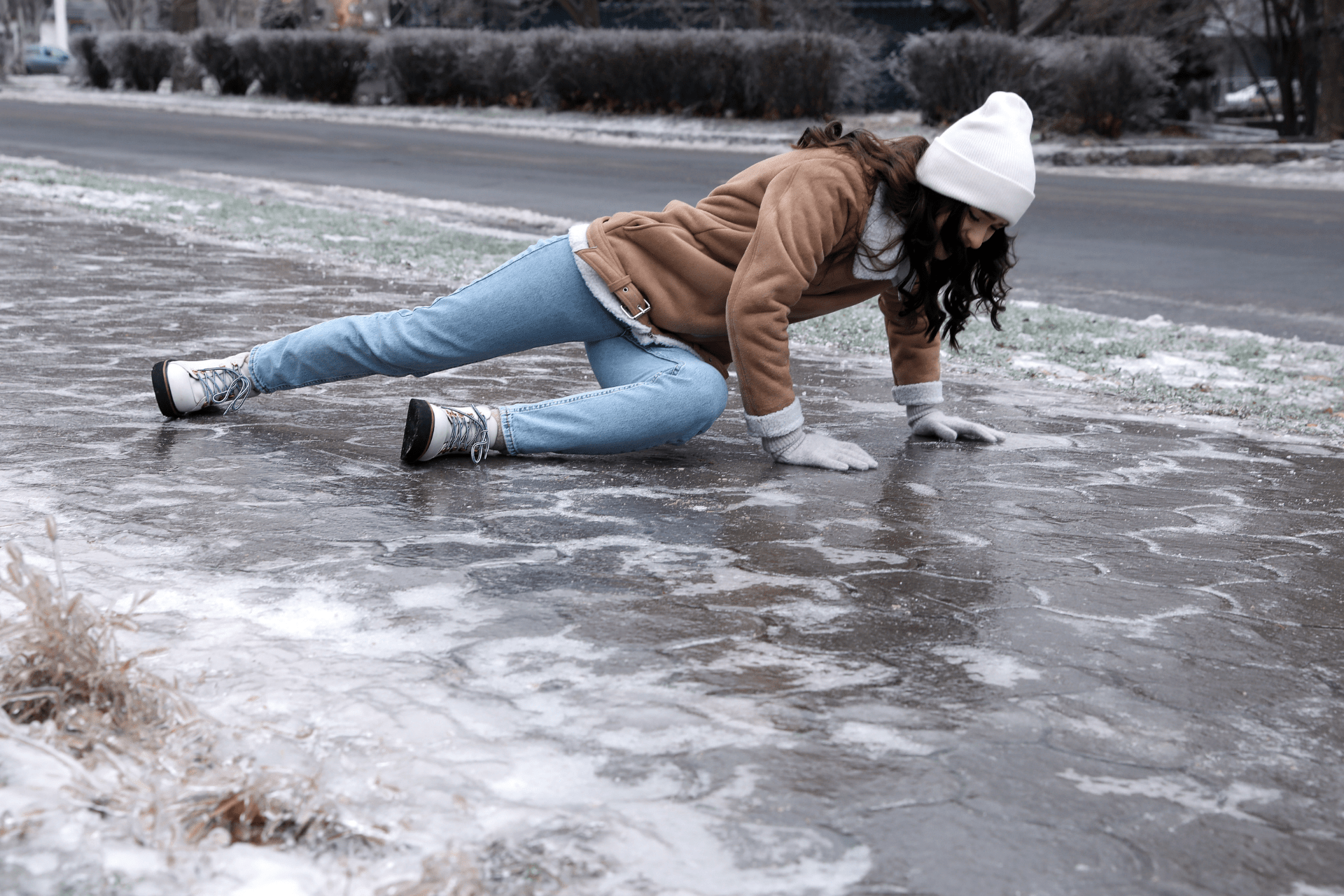
There are two types of accumulation that the courts consider: natural and unnatural. Businesses are generally not liable for injuries caused by natural accumulation, but it’s important to understand the difference and where you may be held liable.
Natural Accumulation
A natural accumulation is fairly self-explanatory: it results from an act of nature. Businesses are generally not liable for injuries caused by these natural conditions, since they are considered open and obvious winter risks. Some examples of natural accumulations under Ohio law include:
Snow that falls from the sky and blankets a parking lot
Black ice
Black ice under fresh snowfall
Tracked in snow from outside to inside a store
Freezing rain
Reformation of melting snow/ice into a slippery surface
Ice created from run-off from a melting snow pile
A good rule of thumb is that a natural accumulation is a condition that forms solely from ordinary winter weather, such as precipitation, freezing temperatures, and the normal freeze-and-thaw process.
Unnatural Accumulation
An unnatural accumulation occurs when a human does something to the natural snowfall to worsen it (ie, results from the acts of a person). Here are a few examples:
A downspout drains water directly onto a sidewalk, where it refreezes
A snowplow piles snow near an entrance where meltwater runs back across walkways
A malfunctioning gutter allows roof runoff to drip and freeze near doorways.
In each of these cases, the accumulation is unnatural because it was created or aggravated by the property owner’s design, maintenance, or neglect. That’s where Ohio courts are most likely to find potential fault.
Key Cases in Ohio Winter Liability Law
Ohio courts take winter hazards seriously, but they also set clear limits on what a business must do during bad weather. These cases show how courts treat natural and unnatural accumulations of snow and ice, and what that means for your workplace.
Paschal v. Rite Aid Pharmacy, Inc., 18 Ohio St. 3d 203 (1985)
A customer on crutches fell while entering a pharmacy. He didn’t want the crutch tips to get wet, so he carried them and hopped into the store. About an inch of snow sat outside. He sued the store for negligence, but the trial court and appellate court dismissed the case.
The Ohio Supreme Court agreed. The court explained that store owners aren’t insurers against every accident that happens on their premises. The court noted it’s unreasonable to expect businesses to mop up tracked-in moisture as fast as it appears. The ruling echoed Boles v. Montgomery Ward & Co., which held that wet floors caused by snow and slush carried in by customers don’t create liability.
Takeaway: Ordinary snow and moisture from winter weather don’t create liability for Ohio businesses.
Brinkman v. Ross, 68 Ohio St. 82 (1993)
In Brinkman, the Ohio Supreme Court reaffirmed a core principle: businesses owe no duty to remove natural accumulations of snow and ice or to warn invitees about them. The reasoning is simple. People living in Ohio understand winter weather. They know snow and ice are slippery and must take care when walking on them.
Because these conditions are expected during winter, businesses aren’t held responsible for injuries caused by natural accumulations. The burden shifts to the individual to watch their footing and protect themselves.
Takeaway: Natural accumulations of snow and ice don’t create liability because Ohioans are expected to recognize and guard against these risks.
Bakies v. RSM Maintenance, Inc., 141 N.E.3d 635 (3d Dist. 2019)
This case involved snow removal contractors, and it reinforced the same principle from the business side. The court held that a contractor isn’t responsible for injuries caused by natural accumulations unless the contract required special action or the contractor made the condition worse.
If the snow or ice is natural and no one altered it, liability doesn’t attach. But if a contractor creates an unnatural buildup through plowing, piling, or improper runoff, the case changes. Courts examine whether the contractor’s actions created a new hazard that didn’t exist before.
Takeaway: Contractors face liability only when they create or worsen an unnatural accumulation. Natural accumulation alone doesn’t lead to exposure.
When Is Your Business Liable?
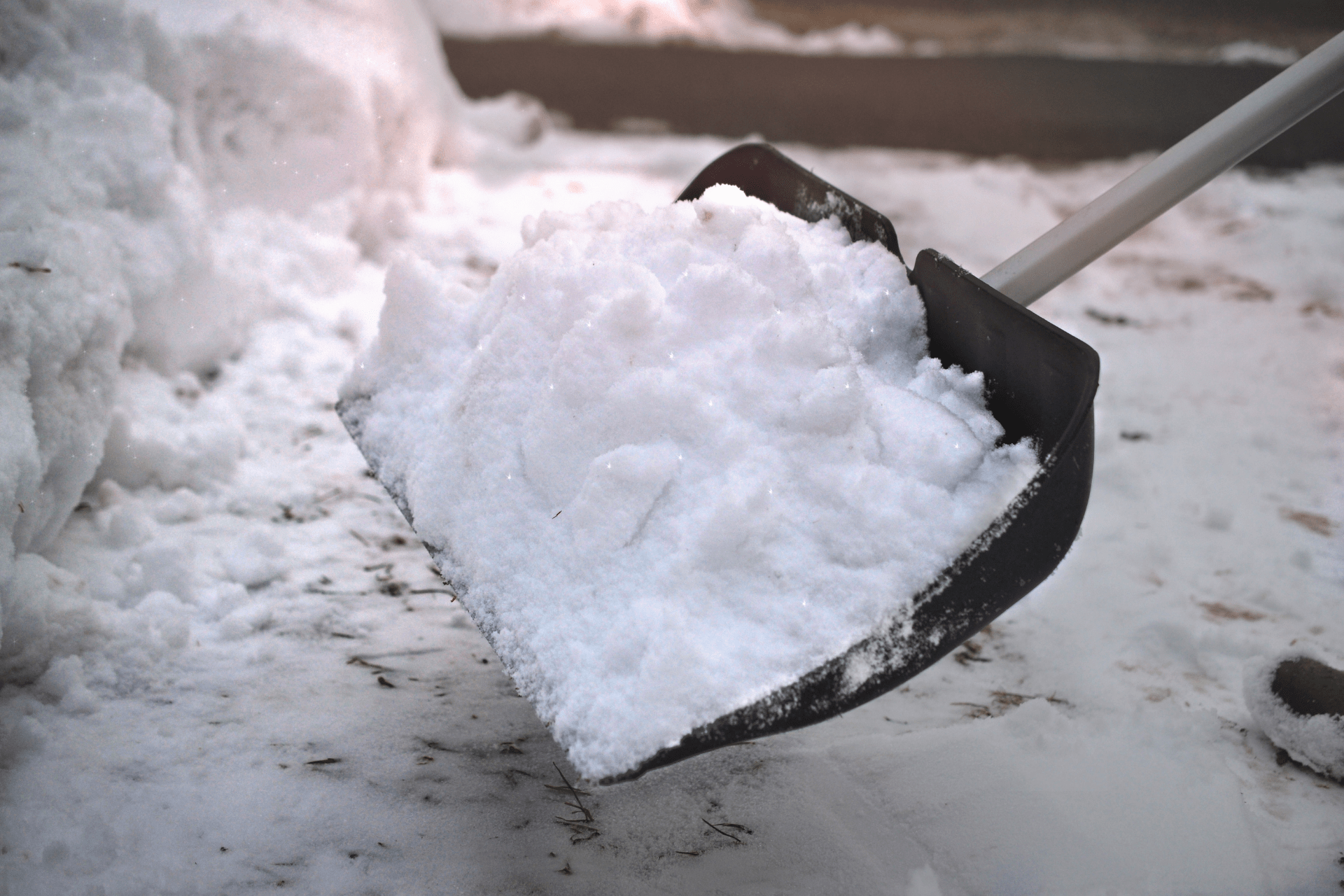
Under Ohio law, you must use ordinary care to keep your property reasonably safe for customers and other invitees. That means you take steps to prevent unnecessary or unreasonable risks. But winter changes the landscape. Ohio courts have carved out two big exceptions that limit your duty during snow and ice season: the open and obvious doctrine and the no-duty winter rule.
Under the open and obvious doctrine, you have no duty to remove natural accumulations of snow or ice or to warn invitees about those conditions. Courts presume winter hazards are visible and well understood by Ohio residents. The protection drops away only when a danger is hidden or obscured in a way a reasonable person wouldn’t expect.
The no-duty winter rule goes even further. Courts presume everyone in Ohio understands the ordinary risks of snow and ice and takes precautions when walking outside. Because of that, courts rarely look at whether a property owner had greater knowledge of the condition. Instead, the rule treats everyone as equally aware of natural winter dangers.
There are two exceptions to the no-duty winter rule. The first applies when a property owner creates or permits an unnatural accumulation of snow or ice. If your actions cause a buildup that doesn’t occur naturally, through plowing, drainage, or misdirected runoff, you reopen the door to liability.
The second exception applies when you have actual or implied notice that the accumulation created a condition far more dangerous than what an invitee should expect. Mikula v. Tailors, 24 Ohio St. 2d 48, 263 N.E.2d 316 (1970) remains the classic example. Snow covered a large hole in a parking lot, and the court held that the danger was substantially more hazardous than typical winter conditions. But that exception is narrow. Ohio courts have consistently refused to apply in ordinary situations, such as when the claim involves hidden ice under snow.
The bottom line is simple. In Ohio, the law favors the retailer in snow and ice cases. Natural winter conditions rarely lead to liability, and most claims fall apart unless the injured person proves an unnatural accumulation or a hazard far beyond ordinary winter expectations. That should give you confidence as you prepare for the colder months.
10 Winter Safety Tips for Your Business to Avoid Liability Claims
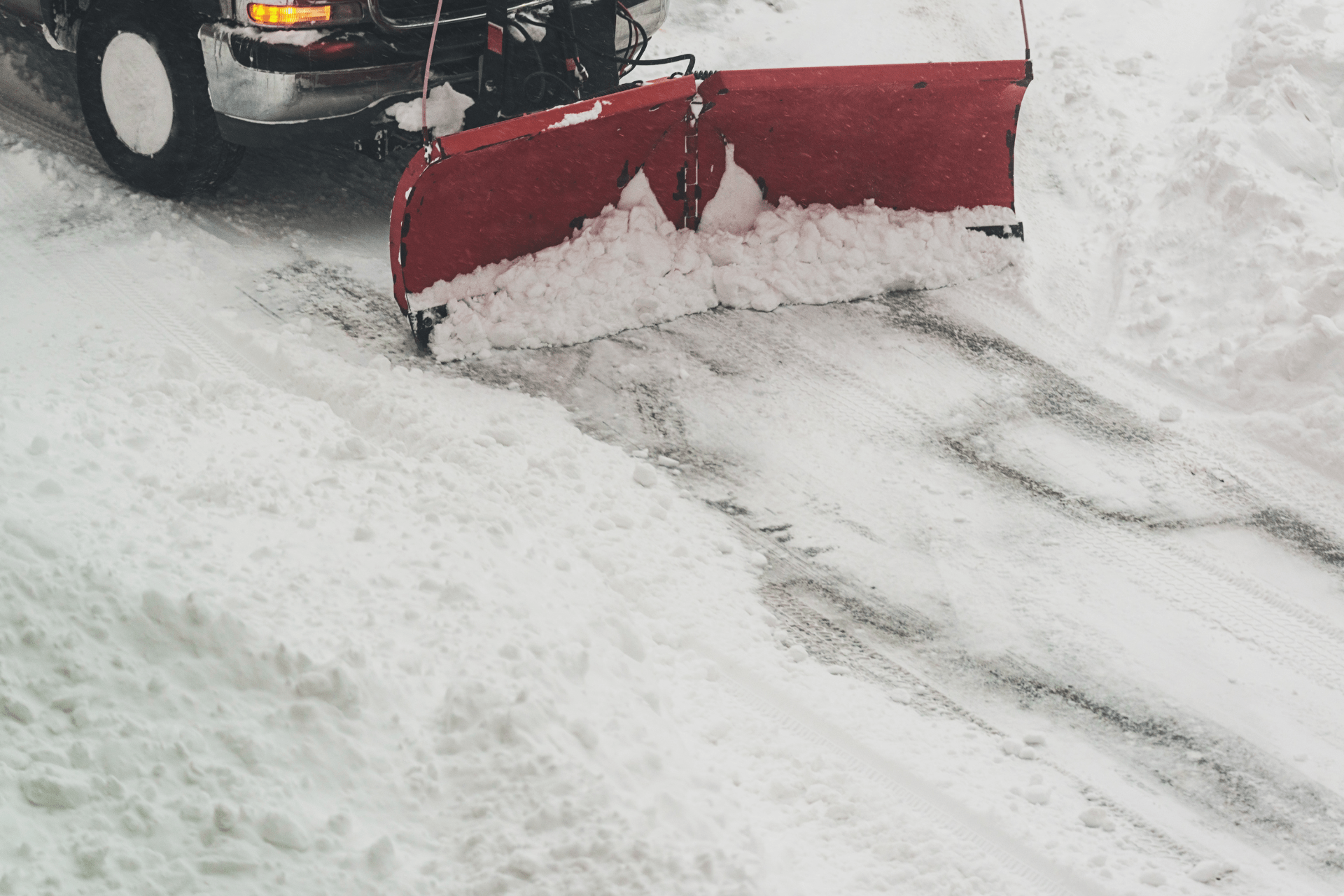
Winter creates hazards you deal with every year, and Ohio law expects customers to recognize natural winter risks. Still, you protect your business when you show consistent, documented efforts to keep your property safe. These winter safety tips strengthen your defense and reduce your exposure to liability claims.
1. Prepare Outdoor Areas for Icy Conditions
Your sidewalks, steps, and parking lots need regular attention once temperatures drop. Apply salt early, not after injuries occur. Keep shovels, ice melt, and equipment on hand before the season starts so your team stays ahead of freeze-thaw cycles.
2. Regularly Monitor and Remove Snow Accumulation
Snow piles create visibility issues, funnel water toward walkways, and lead to unnatural accumulations that trigger liability. Monitor these areas throughout the day and document each time your team clears or treats them. Your logs become strong evidence if a claim arises.
3. Conduct Safety Audits
Walk your property the same way a customer or delivery driver would. Look for dips in pavement, uneven surfaces, roof runoff, or drainage issues that turn small amounts of snow into dangerous situations. Address the problems you identify and record the steps you take.
4. Encourage Personal Awareness
Your team needs to watch conditions in real time. Encourage reporting when they see slick spots, packed snow, or icy patches forming near entrances. When employees speak up early, you act before the problem turns into a claim.
5. Install Slip-Resistant Mats
Place mats inside and outside entryways to help with moisture tracked in by foot traffic. Pick mats with enough thickness to trap water and long enough to give customers time to dry their shoes. Replace them during the day when they become saturated.
6. Promptly Address Indoor Wet Spots
Tracked-in snow creates a steady flow of moisture inside your store. Your team should wipe up these areas, place temporary caution signs, and move mats as needed. Treat this as an ongoing task during open hours, not a one-time event.
7. Provide Employee Training on Winter Safety
Your employees need to know exactly what winter duties look like. Train them to identify hazards, document inspections, and clean up moisture. When everyone follows the same procedure, you show the court that your business uses reasonable care.
8. Adequate Lighting in All Areas
Good lighting reduces risks in outdoor walkways, alleys, loading docks, and parking lots. Dark areas hide patches of ice and snow, which creates arguments about hidden hazards. Bright, consistent lighting protects you and those who use your property.
9. Clear Signage for Potential Hazards
Temporary signs matter when conditions change during the day. Place signs near wet floors, entrances, or high-traffic areas where snow melts quickly. Signs show you acted reasonably, even if someone doesn’t follow the warning.
10. Work with a Retail Lawyer to Expose Risks
Legal guidance helps you identify risks you don’t see. A retail lawyer reviews your policies, your documentation practices, and your on-site procedures. You walk away knowing where your exposure sits and how to strengthen your defenses before an accident happens.
If your business faces a winter liability claim, our firm is ready to help. We regularly defend retailers and property owners throughout Indiana and Ohio in these types of cases. Learn more here.