
Commercial Parking Lot Maintenance Best Practices (2026)

A customer steps out of your store, crosses the parking lot, and suddenly falls. Now the focus shifts to your property. Not just what happened, but what you knew, what you fixed, and what you documented.
Parking lot maintenance sits at the center of many premises liability claims. Courts don’t expect perfection, but they do expect reasonable care. That includes inspections, repairs, and consistent upkeep of areas customers use every day.
The law treats your parking lot as an extension of your business. In states like Indiana, that means maintaining safe conditions for ingress and egress and addressing hazards once you have notice. At the same time, states like Ohio give businesses stronger defenses when conditions are open and obvious or involve minor surface imperfections.
This guide outlines practical, high-level parking lot maintenance best practices that help reduce risk, strengthen your legal position, and prevent claims before they start.
11 Commercial Parking Lot Maintenance Best Practices to Avoid a Lawsuit
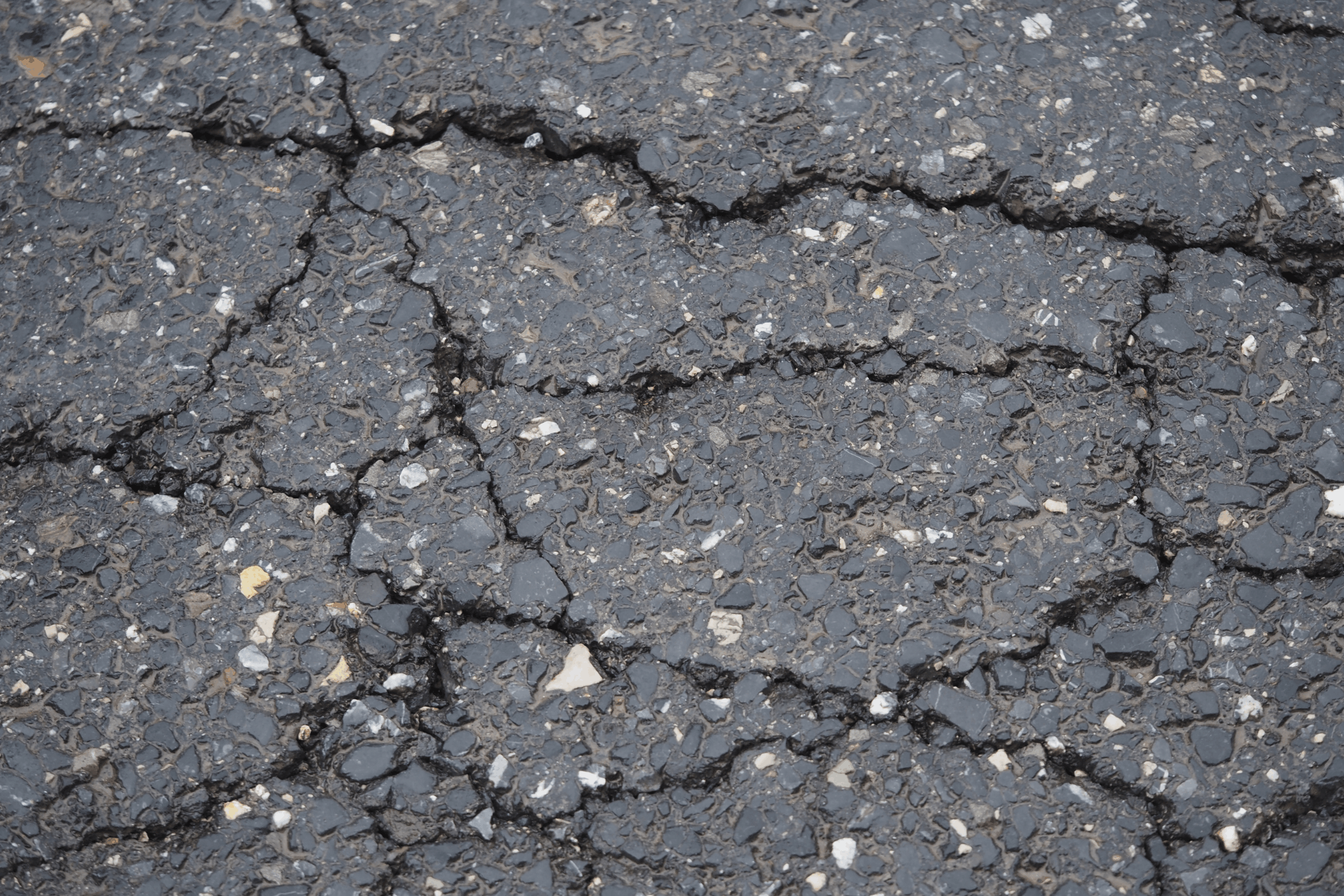
Parking lot liability rarely comes down to one moment. It comes down to patterns. What you inspect, what you fix, and what you document all shape how a claim plays out. These best practices focus on what courts actually look for when evaluating whether a business acted reasonably.
#1: CONDUCT REGULAR SAFETY INSPECTIONS
Routine inspections form the backbone of any defensible maintenance plan. Courts look for evidence that you actively monitored your property, not just reacted after an incident. A consistent inspection schedule shows you took reasonable steps to identify hazards before they caused harm.
#2: WHAT TO LOOK FOR DURING INSPECTIONS
Inspections need to be intentional. Focus on conditions that create real risk, like potholes, uneven pavement, standing water, poor lighting, and debris. Courts evaluate whether a hazard was visible and discoverable. If your team missed something obvious, that becomes a problem.
#3: DOCUMENTING INSPECTIONS FOR LEGAL PROTECTION
If it isn’t documented, it didn’t happen. Inspection logs, photos, and maintenance records often decide whether a case survives or ends early. Strong documentation helps show a lack of notice or reasonable response. Without it, the narrative shifts to assumptions.
#4: IMMEDIATE REPAIR OF POTHOLES AND CRACKS
Potholes and surface defects are common sources of claims. Left unaddressed, they become evidence of neglect rather than normal wear. In many cases, liability turns on whether the condition existed long enough that it should have been repaired.
#5: ENSURE ADA COMPLIANCE
Accessibility requirements apply to parking lots, but they are highly technical and fact-specific. Compliance depends on construction dates, modifications, and local codes. At a high level, the focus remains the same. Accessible routes, proper striping, and maintained surfaces reduce both legal exposure and customer risk.
ELEMENTS OF ADA COMPLIANCE
Accessible parking spaces must remain usable and clearly marked. Pathways should remain free of obstructions and hazards. Ongoing maintenance matters just as much as initial design. Faded markings or damaged surfaces create risk over time.
#6: MAINTAIN BRIGHT LIGHTING
Lighting plays a direct role in safety. Poor visibility increases the chance of trips, falls, and even third-party incidents. Courts look at whether a hazard was visible. Lighting affects that analysis.
#7: REGULAR SEAL COATING EVERY 2–3 YEARS
Seal coating helps preserve the integrity of the pavement and prevents larger defects from forming. Preventive maintenance like this reduces long-term risk and supports an argument that the property was reasonably maintained.
#8: EFFECTIVE SNOW AND ICE MANAGEMENT
Winter conditions create some of the most common claims. The key is not perfection, but a reasonable response. In jurisdictions like Indiana, businesses must act once they have notice and a reasonable opportunity to address conditions. Consistent snow removal and treatment practices matter.
#9: PROACTIVE DRAINAGE MAINTENANCE
Standing water leads to hidden hazards, especially when it freezes or conceals defects. Courts often look at whether drainage issues were recurring or known problems. If they were, inaction becomes harder to defend.
#10: CLEAR AND CONSISTENT SIGNAGE
Signage helps warn customers of hazards and control how the lot is used. It also supports enforcement actions like towing or restricted parking. Proper signage shows that the business took steps to communicate risks and manage the property.
#11: EDUCATE STAFF AND TENANTS ON SAFETY PROTOCOLS
Your policies only work if people follow them. Staff should know how to identify hazards, report issues, and respond quickly. Courts consider how businesses operate day to day. Training helps show that safety wasn’t left to chance.
Example Scenarios: Avoiding Legal Issues
Parking lot cases rarely turn on a single fact. Courts look at the full picture. Maintenance practices, inspection routines, and documentation often decide whether a business faces liability or walks away. The cases below show how that plays out in real life.
CASE #1: HIDDEN HAZARD VS OPEN AND OBVIOUS CONDITION
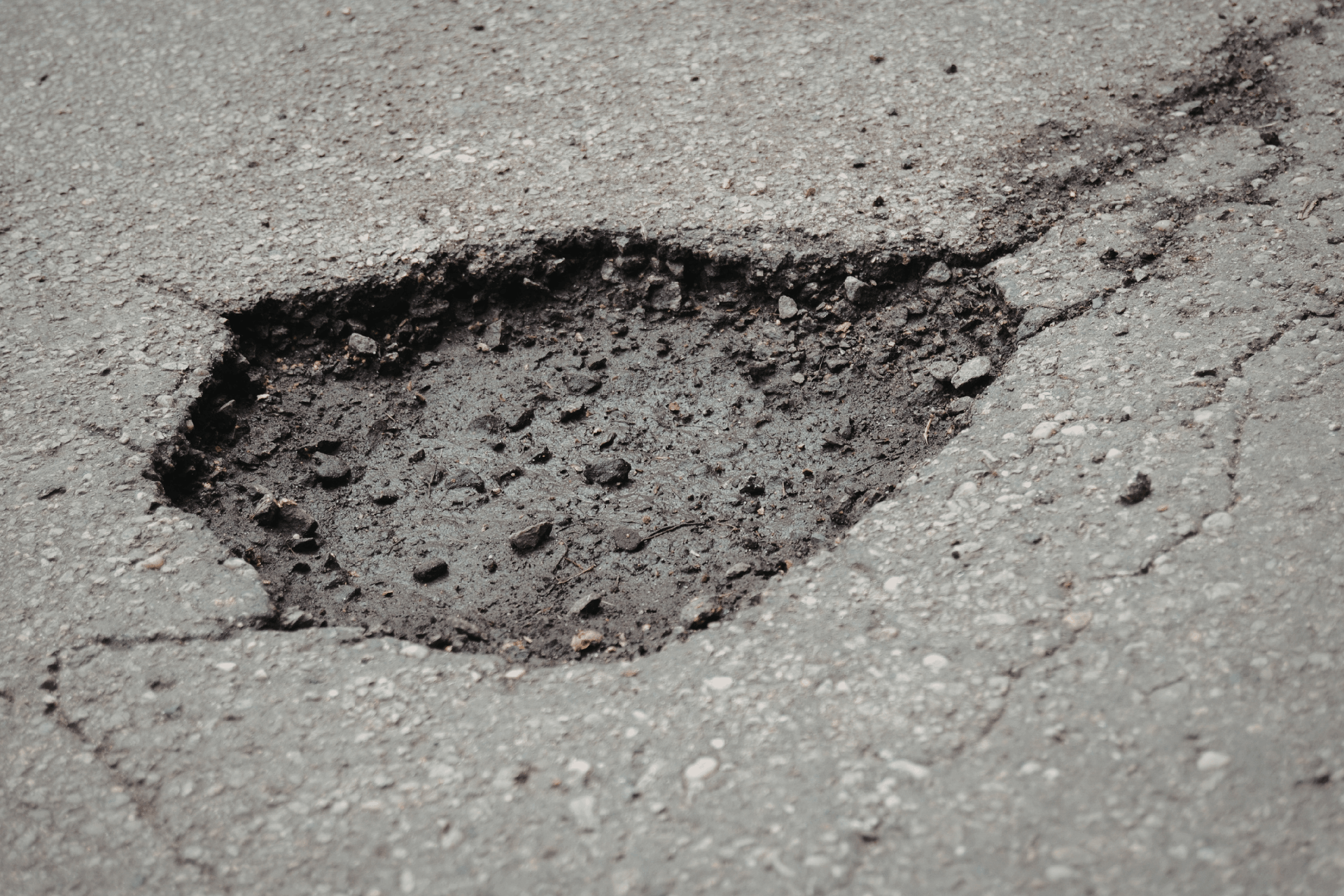
In Lacher v. Circle K d/b/a Mac’s Convenience Stores, LLC, an Ohio case, a customer stepped into a hole in a parking lot that was filled with rainwater and blended into the pavement. He fell and sued the store for negligence.
The trial court granted summary judgment for the business, and the appellate court affirmed. The court focused on the open and obvious doctrine and the lack of evidence showing the business breached its duty.
Takeaway: Even when a condition causes injury, liability doesn’t follow automatically. Visibility, notice, and documentation still control the outcome.
CASE #2: STRONG MAINTENANCE PRACTICES DEFEAT A CLAIM

In Hall v. Eastland Mall, an Indiana case, a shopper slipped in a parking lot and claimed the property owner failed to maintain safe conditions.
The evidence showed the opposite. The mall maintained the lot around the clock, had active security patrols, adequate lighting, and proper drainage. The court upheld the verdict in favor of the property owner.
Takeaway: Consistent maintenance and documented practices reduce risk and win cases.
THE PATTERN COURTS LOOK FOR
Courts repeatedly focus on whether a business had notice of a condition and responded reasonably. Liability often turns on timing, knowledge, and follow-through.
For example, courts examine whether a business knew about recurring issues like ice buildup or drainage problems and failed to act. When conditions persist, and no corrective action follows, claims gain traction.
Similarly, failure to maintain lighting, drainage, or surface conditions can create factual issues that prevent early dismissal. These cases often survive summary judgment and move toward trial because the record leaves room for disagreement.
Across these cases, the same themes show up: Courts reward businesses that inspect, maintain, and document. They scrutinize gaps in maintenance or missing records. They reject claims based on speculation but allow cases with factual support to move forward.
The Bottom Line for Business Owners
Parking lot liability cases don’t turn on the accident alone. They turn on what your business did before it happened. Courts look for proof of inspections, maintenance, and how quickly you addressed known issues.
If a claim arises, the question isn’t whether someone fell. It’s whether your records show that you acted reasonably under the circumstances. Without documentation, even strong defenses become harder to prove.
The takeaway is simple. Consistent inspections, timely repairs, and clear records put your business in a stronger position when incidents occur.
Parking Lot Maintenance: Frequently Asked Questions
WHAT ARE THE 4 MAINTENANCE STRATEGIES?
The four main parking lot maintenance strategies are routine inspections, preventive maintenance, timely repairs, and proper documentation. Together, they help identify hazards early, fix issues quickly, and support a strong legal defense if a claim arises.
HOW OFTEN SHOULD A COMMERCIAL PARKING LOT BE SEALED?
A commercial parking lot should typically be seal-coated every 2 to 3 years. This helps protect the surface from weather damage, extends the life of the pavement, and reduces the risk of cracks and potholes.
HOW OFTEN DO PARKING LOTS NEED TO BE RESURFACED?
Most commercial parking lots need resurfacing every 10 to 20 years, depending on traffic, weather exposure, and maintenance history. Regular upkeep can extend that timeline and reduce major repair costs.
WHO IS RESPONSIBLE FOR POTHOLES IN A PARKING LOT?
Responsibility for potholes usually falls on the property owner or the party that controls maintenance of the lot. In leased properties, that responsibility may shift based on the lease agreement, but courts often focus on who had control over repairs and upkeep.
Parking lot hazards often become liability claims when maintenance and documentation fall behind. Working with experienced counsel helps businesses evaluate risk, implement defensible safety practices, and respond effectively when incidents occur.